
Coastal towns across the nation are experiencing a significant demographic shift as seafood workers establish deeper roots in their communities. What was once considered a transient workforce has evolved into a stable population that contributes meaningfully to local economies, cultures, and social structures. This transformation reflects broader changes in the fishing industry and the lifestyle choices of those who depend on the sea for their livelihood.
Historical Context of Seafood Industry Labor
The seafood industry has long relied on a mobile workforce, with workers following seasonal catches and market demands. Historically, many seafood workers maintained temporary arrangements, moving between ports and regions throughout the year. However, modernization of fishing practices, improved working conditions, and enhanced community amenities have encouraged a growing number of workers to settle permanently in coastal towns rather than maintain a nomadic existence.
Economic Contributions and Job Stability
Seafood workers who establish permanent residency in coastal communities contribute substantially to local economic development. Their presence supports:
- Direct employment opportunities in fishing, processing, and distribution sectors
- Secondary job creation in supporting industries such as equipment manufacturing and maintenance
- Increased consumer spending that benefits local retail and service businesses
- Tax revenue that funds municipal infrastructure and public services
- Sustained demand for housing, education, and healthcare services
The stabilization of the seafood workforce has allowed coastal towns to develop more comprehensive economic strategies centered around maritime industries, rather than relying solely on seasonal fluctuations.
Community Integration and Social Impact
As seafood workers invest in their coastal communities, they become active participants in civic life. Many have purchased homes, enrolled their children in local schools, and participated in community organizations. This integration has strengthened social bonds and created more resilient communities capable of addressing shared challenges collectively.
The presence of rooted seafood workers has also enriched cultural life in coastal towns. Traditional maritime heritage, culinary traditions, and family-centered values brought by these workers have enhanced the cultural fabric of their adopted communities. Local celebrations, festivals, and cultural events increasingly reflect and honor the contributions of the seafood industry workforce.
Challenges and Opportunities
Despite these positive developments, coastal communities face ongoing challenges in supporting their seafood worker populations. Key concerns include:
- Ensuring competitive wages that reflect the demands and risks of seafood work
- Providing access to healthcare services, particularly occupational health coverage
- Offering educational and training programs for workforce development
- Managing housing affordability as coastal property values increase
- Supporting workers during industry downturns or environmental challenges
However, these challenges also present opportunities for community leaders and industry stakeholders to develop innovative solutions that strengthen both the workforce and the communities they inhabit.
Future Outlook for Coastal Seafood Communities
The trend of seafood workers establishing permanent roots in coastal towns is expected to continue as the industry evolves. Younger generations entering the profession increasingly view seafood work as a long-term career rather than a temporary occupation. This shift suggests that coastal communities will continue to benefit from a stable, committed workforce invested in local prosperity and wellbeing.
Investment in infrastructure, education, and economic diversification will be critical to sustaining these communities and ensuring they remain attractive to seafood workers and their families. Communities that successfully support their maritime workforce position themselves for long-term growth and stability.
Conclusion
The rooting of seafood workers in coastal towns represents a fundamental transformation in how communities and industry are interconnected. As these workers establish permanent homes and invest in their neighborhoods, they create more stable, vibrant communities while securing their own futures. This mutually beneficial relationship underscores the importance of supporting maritime workers and recognizing their vital contributions to both local economies and the broader food systems that sustain the nation.
Related Posts
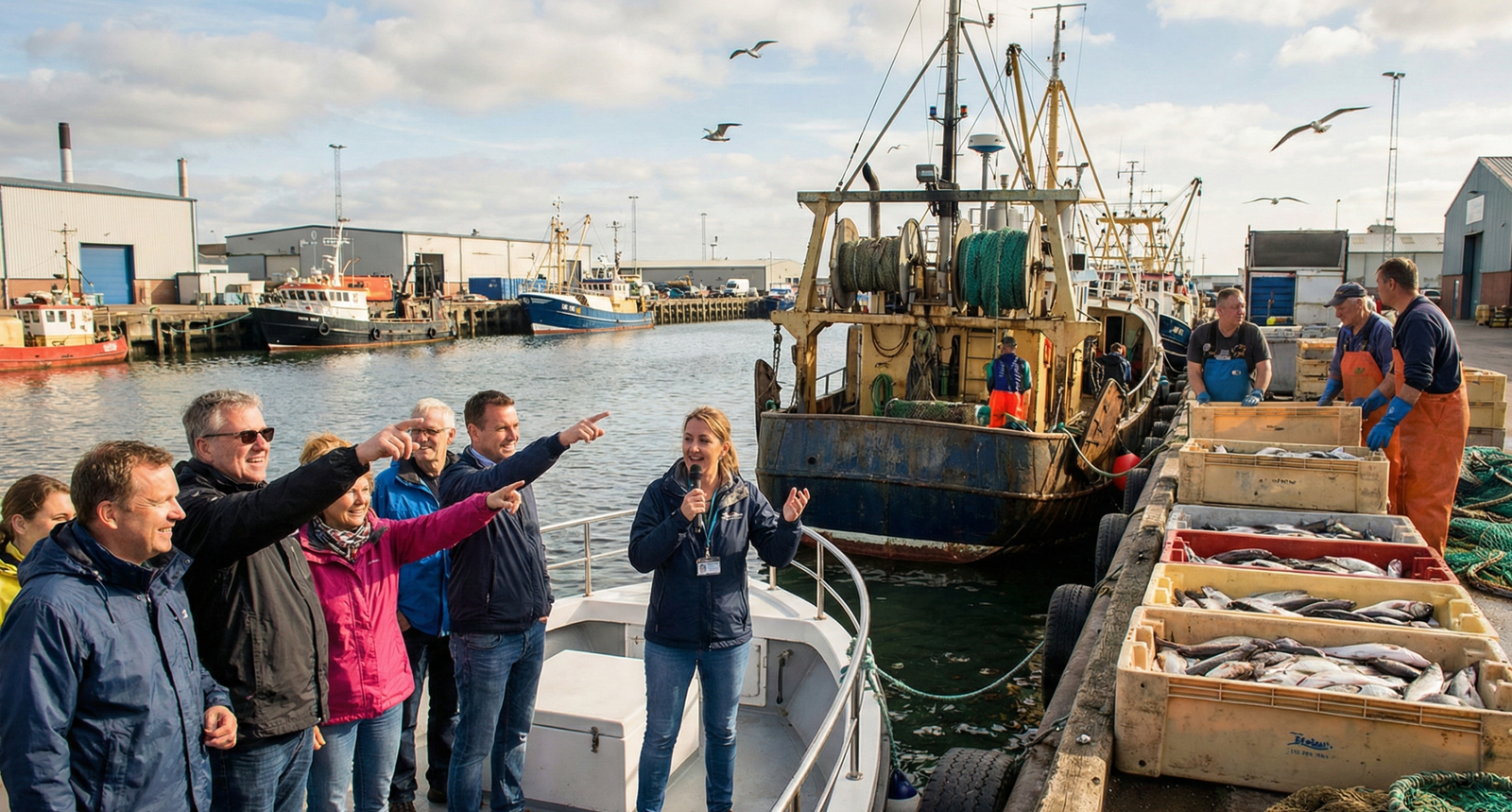
Working Harbor Tours: Experience the Real Trade
Working harbor tours represent a unique opportunity to witness the…

Sustainable Catch: Journal Entries in Business Documentation
Journal entries represent the foundational element of modern business accounting…
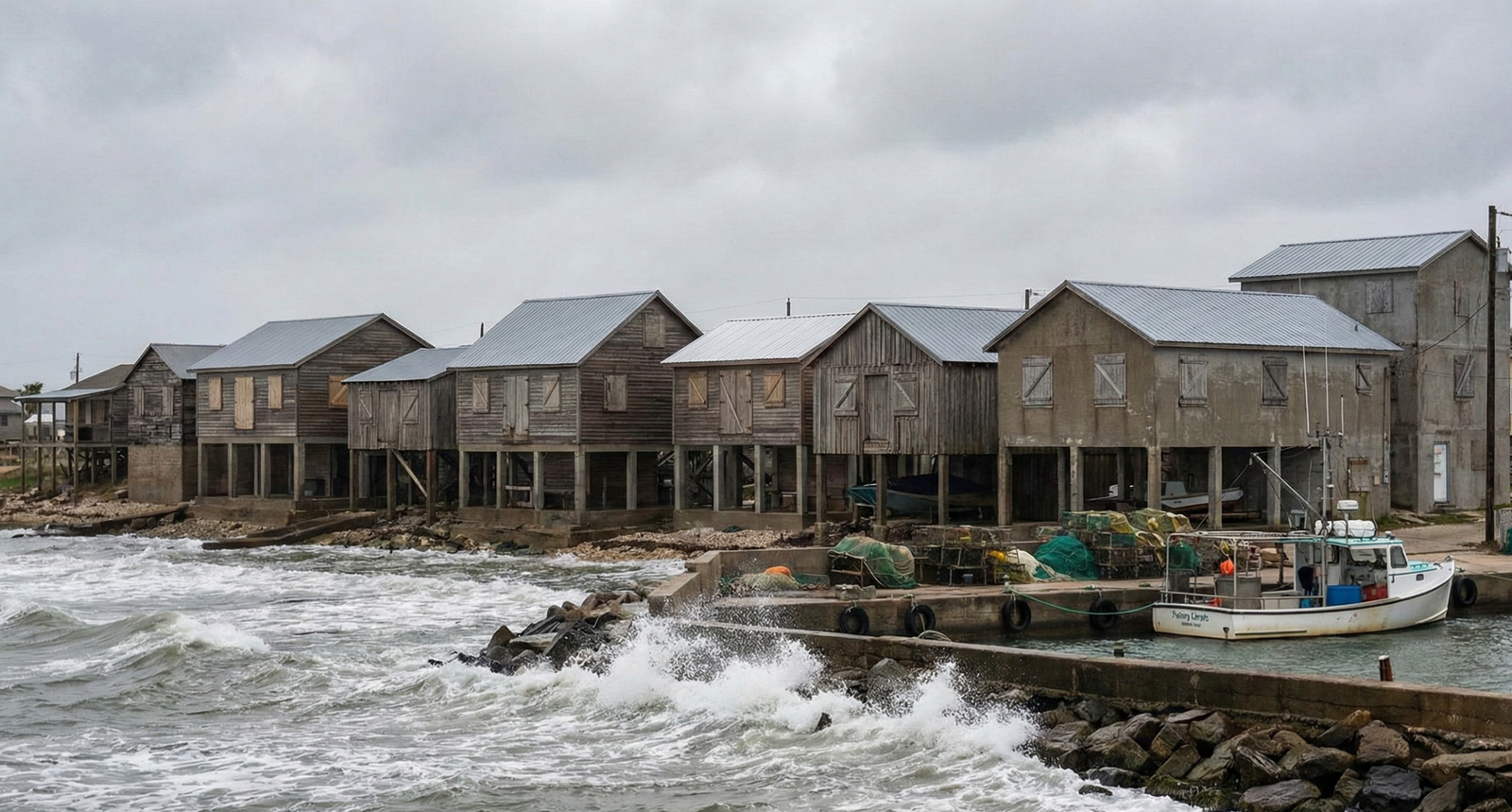
Storm-Proof Homes: Real Estate Resilience for Fishing Communities
Fishing communities situated along coastlines face unique and formidable challenges…