
Historic port cities have long served as vital economic engines for nations and regions worldwide. These island harbors and coastal settlements represent centuries of maritime heritage, cultural significance, and commercial importance. However, the true cost of maintaining and developing these historic port cities extends far beyond the romanticized images often portrayed in tourism materials. Understanding the financial realities requires a comprehensive examination of infrastructure, preservation, and operational expenses.
Infrastructure and Maintenance Costs
One of the most significant expenses associated with historic port cities is the continuous maintenance of aging infrastructure. Many of these ports were established centuries ago, with foundations and structures designed for different maritime conditions and cargo volumes than exist today. The cost of maintaining historical buildings, docks, and waterfront facilities can be substantial.
- Structural repairs and reinforcement of historic buildings
- Regular dredging to maintain navigable waterways
- Renovation of aging dock and pier systems
- Implementation of modern safety and environmental standards
- Restoration of heritage maritime infrastructure
These maintenance requirements often conflict with preservation mandates that restrict modern construction methods or materials, further increasing costs and complexity.
Balancing Historic Preservation with Modern Development
Historic port cities face a unique challenge in balancing their cultural and architectural heritage with the need for modern, efficient port operations. Preservation requirements can significantly limit expansion opportunities and necessitate specialized construction techniques that are considerably more expensive than standard development approaches.
The conflict between preservation and progress creates several financial implications. Historic designation protections may prevent the demolition and replacement of outdated structures, requiring instead costly restoration efforts. Additionally, strict architectural guidelines ensure that new developments harmonize with existing historical aesthetics, often resulting in premium construction costs.
Tourism and Economic Benefits
While maintaining historic port cities involves substantial costs, these locations also generate significant economic benefits through tourism and cultural heritage industries. Many island harbor communities have successfully leveraged their historical significance to attract visitors, create employment opportunities, and diversify their economic base.
Tourism revenue in historic port cities typically includes:
- Harbor tours and maritime heritage experiences
- Museum and cultural institution admissions
- Hospitality services and accommodations
- Dining and retail establishments
- Specialty maritime crafts and products
However, tourism itself introduces costs related to infrastructure wear, crowd management, and environmental protection, which must be carefully balanced against revenue generation.
Environmental and Sustainability Challenges
Historic port cities often face unique environmental pressures related to their maritime activities and coastal locations. The cost of implementing sustainable practices while preserving historical character requires strategic planning and significant investment.
Environmental expenses include:
- Marine ecosystem protection and restoration
- Pollution control and water quality management
- Adaptation measures for climate change and sea level rise
- Waste management and recycling systems
- Sustainable energy infrastructure integration
These environmental investments are essential not only for regulatory compliance but also for ensuring the long-term viability and appeal of these historic communities.
Community and Social Investment
Beyond physical infrastructure and preservation, the true cost of maintaining historic port cities includes investments in local communities. Residents require adequate housing, services, and economic opportunities to support sustainable population growth.
Community investment areas include:
- Housing development and affordable accommodation
- Educational institutions and workforce training programs
- Healthcare and social services
- Public transportation and infrastructure
- Cultural programming and community centers
These investments ensure that historic port cities remain vibrant living communities rather than becoming merely preserved monuments to the past.
Economic Viability and Funding Strategies
Successfully managing the costs of historic port cities requires diverse funding strategies and innovative financing approaches. Many communities employ a combination of public investment, private development, heritage grants, and tourism revenue to sustain their operations.
Effective funding mechanisms include:
- Government heritage and cultural preservation grants
- Public-private partnerships for development projects
- Specialized bonds for infrastructure improvement
- International heritage organization support
- Tax incentives for preservation and restoration
- Community development programs and initiatives
Strategic diversification of revenue sources helps reduce dependency on any single economic sector and builds resilience into the local economy.
Lessons from Successful Historic Port Cities
Several historic port cities worldwide have successfully managed the costs associated with preservation and modernization while maintaining economic viability. These communities demonstrate that historic character and contemporary prosperity are not mutually exclusive objectives.
Successful approaches typically include establishing clear preservation standards, investing in adaptive reuse of historic structures, fostering authentic cultural tourism experiences, and maintaining strong community engagement throughout development processes. These cities recognize that their historical significance is an asset to be strategically leveraged rather than a burden to be minimized.
Conclusion
The true cost of island harbor life in historic port cities is multifaceted and substantial, encompassing infrastructure maintenance, preservation efforts, environmental protection, and community investment. However, when managed strategically and funded through diverse mechanisms, these costs generate significant returns through cultural enrichment, economic development, and quality of life improvements for residents.
Understanding these costs is essential for policymakers, investors, and community stakeholders committed to ensuring that historic port cities can thrive as dynamic, sustainable communities that honor their heritage while embracing contemporary opportunities. The investment required to maintain these irreplaceable cultural and economic assets is an investment in our shared global heritage and the economic prosperity of future generations.
Related Posts

Best Happy Hour Galveston: Seafood Deals & Drinks
Galveston Island is a paradise for seafood lovers, and happy…

Print Media’s Role in Fishing Communities
Print media has served as a cornerstone of communication and…
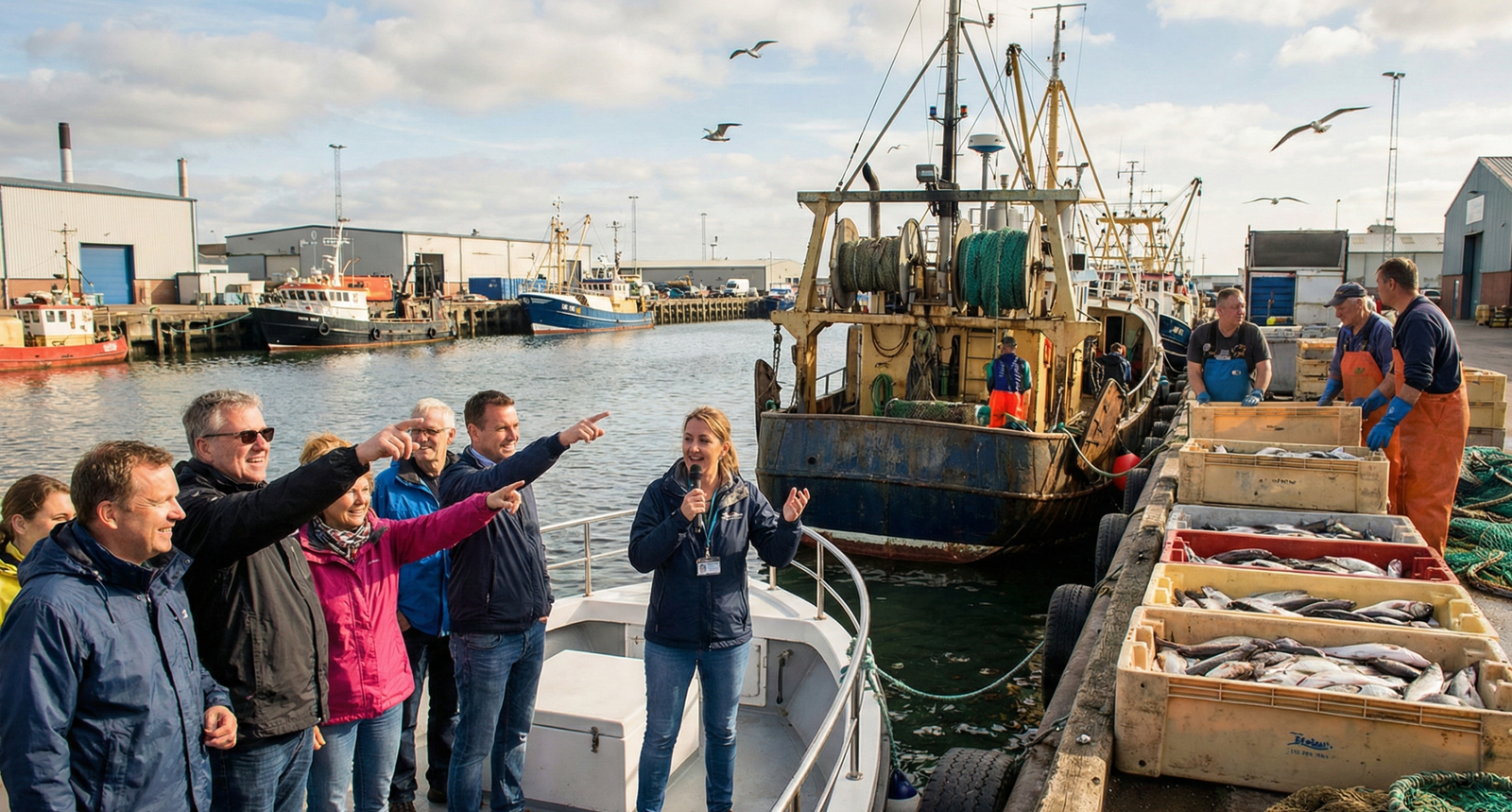
Working Harbor Tours: Experience the Real Trade
Working harbor tours represent a unique opportunity to witness the…