
Each autumn, the salt-tinged air of Galveston Island carries an additional aroma of sizzling Gulf shrimp, smoked brisket, and baking pecans that signals the return of the island’s premier culinary celebration. Galveston Food Week has evolved from a modest collection of restaurant specials into a ten-day gastronomic festival that transforms the historic port city into a destination dining experience rivaling major metropolitan food events. For both dedicated food enthusiasts and casual visitors, this annual celebration offers an unprecedented opportunity to explore the full spectrum of Gulf Coast cuisine through exclusive tastings, chef collaborations, and immersive culinary experiences.
Unlike generic restaurant weeks that simply offer discounted prix-fixe menus, Galveston Food Week celebrates the island’s unique culinary identity, where Victorian-era port city traditions meet Texas barbecue culture and fresh-caught seafood. The event showcases why this barrier island has emerged as a serious food destination, highlighting the chefs, fishermen, farmers, and food artisans who define authentic coastal Texas dining.
When and Where to Experience Galveston Food Week
Typically held in late October or early November, Galveston Food Week strategically positions itself during the shoulder season when temperatures moderate into the 70s, and the summer tourist crowds have dispersed. This timing allows participating restaurants to showcase autumn ingredients, oysters fattening for winter, late-season Gulf shrimp, and pecan harvests while providing visitors with comfortable weather for walking between venues in the historic district.
The geographic scope of Galveston Food Week spans the entire island, from the Strand’s restored 19th-century buildings to beachfront establishments along the Seawall and hidden gems in the West End. While the historic downtown serves as the event’s epicenter, shuttle services and ride-sharing partnerships enable participants to explore farther-flung locations without the concern of navigating post-tasting transportation.
Central staging areas typically include Saengerfest Park and the Proler Tower at Stewart Beach, where pop-up events, cooking demonstrations, and vendor markets create communal gathering spaces. These hubs provide starting points for self-guided culinary tours, offering maps and passports that encourage visitors to sample across multiple establishments rather than settling for single meals.
Signature Events During Galveston Food Week
What distinguishes Galveston Food Week from standard dining promotions is the calendar of structured events that transform eating into entertainment. The programming balances accessible entry points for casual food lovers with sophisticated experiences for serious epicureans.
The Galveston Food Week Grand Tasting
The festival’s flagship event, the Grand Tasting, gathers thirty or more restaurants, breweries, and wineries under one roof, typically the historic 1894 Grand Opera House or an oceanfront tent city erected specifically for the occasion. This opening-night celebration allows attendees to sample signature bites from participating establishments in a single evening, effectively previewing the week’s culinary landscape. Local fishermen display morning catches alongside chefs who transform them into ceviche and grilled preparations, while winemakers from the Texas Hill Country pour vintages specifically selected to complement Gulf seafood.
The Grand Tasting also serves as the venue for announcing the annual Galveston Food Week culinary awards, recognizing categories like “Best Gulf Seafood Presentation,” “Most Innovative Use of Local Ingredients,” and the coveted “People’s Choice,” voted by attendees throughout the evening.
Chef Battles and Cooking Competitions
Mid-week events during Galveston Food Week feature competitive cooking that showcases technical skill and creativity. The “Gulf to Table Challenge” pairs local chefs with commercial fishermen, requiring teams to create dishes using mystery seafood selections hauled in that morning. These demonstrations unfold at the Pier 21 Theater, with large screens projecting knife skills and plating techniques while emcees explain the nuances of handling fresh-caught red snapper or soft-shell crab.
The “Victorian Cook-Off” pays homage to Galveston’s Gilded Age heritage, challenging chefs to recreate 1890s-era recipes using modern techniques and locally sourced ingredients. These historical culinary explorations connect contemporary diners with the island’s past as a wealthy port city, when Galveston restaurants competed with New Orleans and San Francisco for culinary prestige.
Progressive Dining Experiences
For those seeking immersive exploration, Galveston Food Week offers structured progressive dinners that transport participants between multiple restaurants via horse-drawn carriage or vintage trolley. These themed journeys, such as “Seafood Through the Ages” or “From Smokehouse to Seawall,” feature a different course at each stop, with paired wines or craft cocktails chosen to accentuate specific flavor profiles. The transportation component adds theatricality while solving the logistical challenge of dining at multiple venues in a single evening.
Participating Restaurants and Special Menus
The backbone of Galveston Food Week consists of the island’s diverse restaurant community, each offering exclusive menus available only during the festival period. These limited-time offerings encourage chefs to experiment with ingredients and techniques they might not risk on permanent menus, resulting in creative dishes that often preview upcoming seasonal rotations.
Seafood houses like Gaido’s and Katie’s typically feature “dock-to-dish” tasting menus that trace specific catches through preparation, perhaps offering amberjack crudo followed by blackened amberjack tacos and concluding with amberjack collar grilled over post oak. These educational progressions teach diners to appreciate underutilized species while supporting sustainable fishing practices.
Barbecue establishments participate in Galveston Food Week by offering “Gulf Coast ‘Cue” specials that merge Texas smoke traditions with seafood, such as smoked redfish dip or brisket burnt ends glazed with local honey and grapefruit. These fusion experiments highlight the regional specificity of Galveston’s culinary position at the intersection of Southern, Western, and coastal traditions.
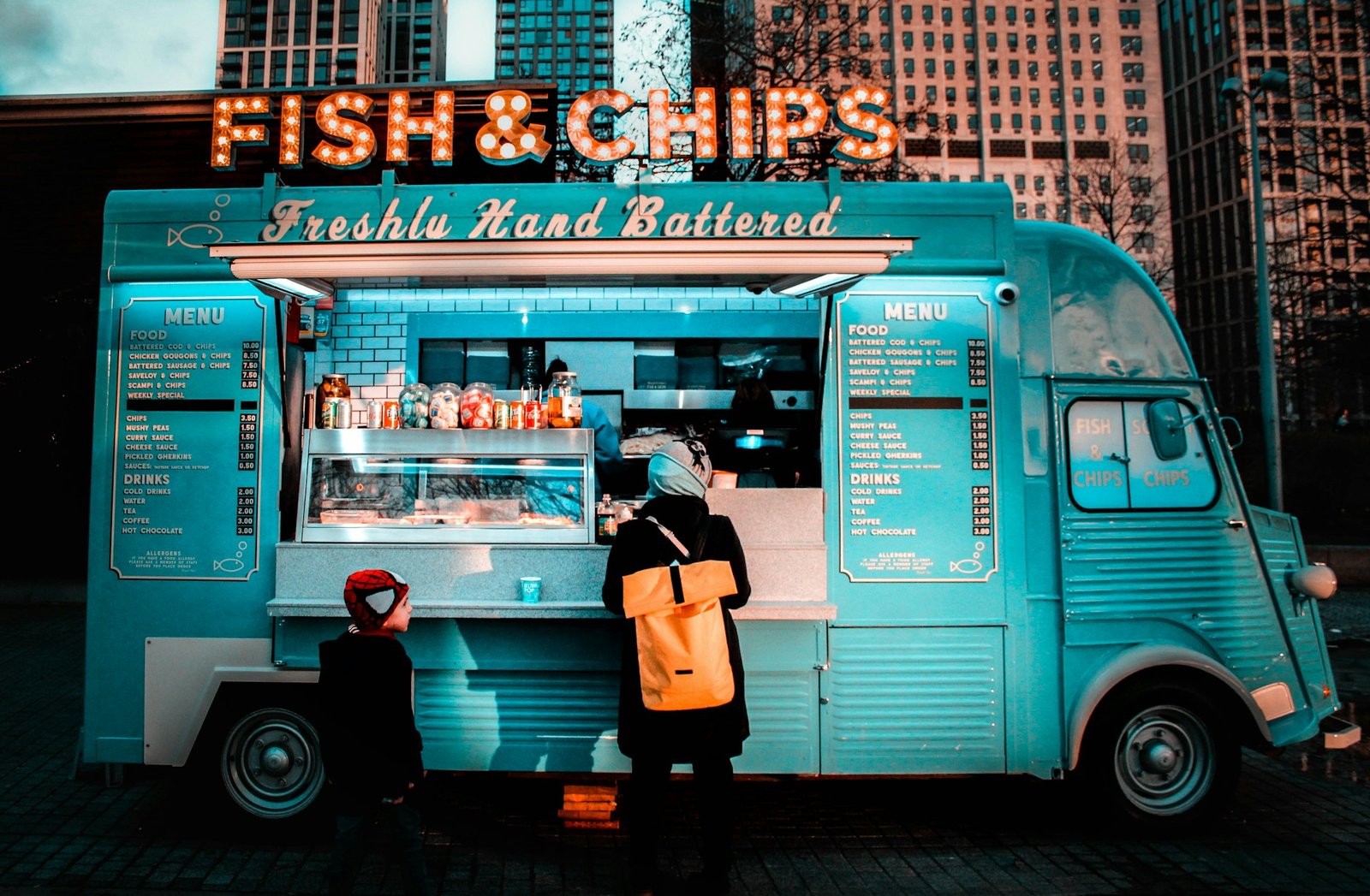
The event also spotlights emerging culinary talents operating food trucks and pop-up concepts, giving them temporary brick-and-mortar partnerships or featured slots at central events. This incubator aspect of Galveston Food Week has launched several successful island restaurants, as chefs use the exposure to build followings and secure permanent locations.
Navigating Galveston Food Week Like a Local
Veteran attendees of Galveston Food Week approach the event strategically, recognizing that attempting to experience everything leads to culinary fatigue rather than enjoyment. Successful navigation requires balancing structured events with spontaneous exploration, leaving room for discovery while securing reservations for high-demand tastings.
Making reservations early proves essential, particularly for dinner service at established fine-dining establishments that participate in the event. Many restaurants release Galveston Food Week menus two weeks in advance, allowing diners to plan multi-day itineraries that progress from casual lunches to elaborate tasting dinners. The festival’s mobile app provides real-time updates on wait times and last-minute availability, helping attendees adjust plans on the fly.
Locals recommend pacing oneself by focusing on specific themes rather than attempting to sample every participating venue. A “seafood day” might include raw oysters at lunch, a fish market tour in the afternoon, and a whole-fish dinner, while a “heritage day” explores the island’s German and Italian immigrant food traditions through bakeries, delis, and historic restaurants.
Beyond the Plate: Educational Components
Galveston Food Week distinguishes itself through educational programming that contextualizes the dining experience within broader food systems. Morning workshops cover topics like oyster reef ecology, sustainable shrimping practices, and the challenges facing Gulf Coast fishing communities. These sessions, often held aboard docked vessels or at the NOAA Fisheries facility, attract serious food enthusiasts interested in the provenance of their meals.
Culinary history walking tours explore the Strand district, explaining how 19th-century trade routes brought coffee from South America, spices from Asia, and European culinary techniques that merged with indigenous and Mexican foodways to create distinctively Gulf Coast cuisine. These tours conclude with tastings at historic establishments, connecting architectural heritage with edible traditions.
For home cooks, Galveston Food Week offers masterclasses with participating chefs, teaching techniques like fish butchery, gumbo preparation, and the proper shucking of locally harvested oysters. These hands-on sessions provide take-home skills that extend the festival’s impact beyond the immediate celebration.
Economic Impact and Community Benefits
Beyond the immediate pleasures of exceptional eating, Galveston Food Week generates significant economic impact for the island community. The event typically occurs during a shoulder season that traditionally sees reduced tourism, injecting revenue into restaurants, hotels, and shops when business slows. Local fishermen report that the festival period generates their highest wholesale prices of the year, as competing chefs bid for premium catches to feature in special menus.
The event also supports local food banks and hunger relief organizations through “Dining for a Cause” initiatives, where participating restaurants donate a percentage of Galveston Food Week proceeds to community kitchens. This philanthropic component ensures that the celebration of abundance also addresses food insecurity within the island community.
Conclusion
Galveston Food Week represents more than a temporary concentration of good eating; it serves as an annual reaffirmation of the island’s culinary identity and agricultural connections. Through carefully curated events that balance accessibility with sophistication, the festival introduces visitors to the complexity of Gulf Coast cuisine while providing locals with reasons to celebrate their hometown’s gastronomic evolution. Whether you’re tracking down a specific chef’s collaboration dinner, sampling oysters at the Grand Tasting, or simply following the aromas drifting from historic kitchens, the week offers a comprehensive immersion into what makes Galveston taste like nowhere else. Mark your calendars for next autumn, bring your appetite, and prepare to discover why this island has become Texas’s most delicious secret.
Photo by Priscilla Du Preez 🇨🇦 on Unsplash
Related Posts

Best Local Food in Texas: Regional Farm to Table Guide
Everything is bigger in Texas, including the farm-to-table movement that…
The Complete Galveston Food Trucks Guide: Tacos & Seafood
The unmistakable aroma of sizzling shrimp and smoked brisket wafts…
Gulf to Table: Fresh Catch Restaurants
The Gulf to Table concept represents a growing culinary movement…