Galveston Bay stands as one of Texas’s most productive fishing destinations, attracting both seasoned anglers and recreational enthusiasts throughout the year. Understanding the seasonal patterns and target species availability is essential for planning a successful fishing expedition in this dynamic coastal ecosystem.
Spring Fishing Season (March to May)
Spring marks the beginning of the prime fishing season in Galveston Bay, as warming water temperatures trigger increased fish activity. This period offers excellent opportunities for anglers targeting multiple species.
Primary Species
- Redfish: Spring redfish are particularly aggressive as they prepare for spawning season. Focus your efforts in shallow bay areas and marsh edges where water temperatures range from 65 to 75 degrees Fahrenheit.
- Speckled Trout: These popular game fish become increasingly active in spring, congregating in deeper channels and drop-offs. Early morning fishing yields the best results.
- Spanish Mackerel: Arriving in late April and May, Spanish mackerel provide exciting action in deeper Gulf waters and jetty areas.
- Flounder: Spring flounder fishing is productive along channel ledges and near structure, particularly during slack tide periods.
Summer Fishing Season (June to August)
Summer fishing in Galveston Bay requires strategic planning due to higher water temperatures and intense sun exposure. Early morning and late evening fishing sessions typically produce the best results during these months.
Peak Species
- Large-mouth Bass: Summer bass fishing thrives in shallow marsh areas and vegetation-choked bayous, particularly during low-light conditions.
- Tarpon: June through August represents prime tarpon season, with opportunities for spectacular jumps and sustained battles in bay channels.
- Spanish Mackerel: Summer mackerel remain plentiful in offshore waters and around jetties, providing fast-paced action.
- Pompano: These bottom feeders become more available in sandy areas and near structure during summer months.
Fall Fishing Season (September to November)
Autumn brings optimal fishing conditions to Galveston Bay as cooling water temperatures invigorate fish populations and reduce thermal stress. This season consistently ranks among the most productive periods for multiple species.
Dominant Species
- Redfish: Fall redfish feed aggressively to prepare for winter, making them highly catchable in both shallow and deeper waters.
- Speckled Trout: Fall trout fishing reaches peak productivity, with large fish moving into deeper channels and around structure.
- King Mackerel: October and November bring excellent king mackerel opportunities, particularly from offshore platforms and near the jetties.
- Sheepshead: These hard-fighting fish become increasingly active around structure and pilings as water cools.
Winter Fishing Season (December to February)
Winter presents unique challenges and opportunities in Galveston Bay. While water temperatures drop significantly, fish concentrate in deeper channels and more predictable locations, allowing skilled anglers to locate and catch trophy-sized fish.
Winter Opportunities
- Redfish: Winter redfish congregate in deep channel systems and deeper bay areas, offering consistent action throughout the season.
- Speckled Trout: Large trout move into deep holes and channel structure, providing opportunities for trophy catches.
- Sheepshead: Winter sheepshead fishing peaks around structure, pilings, and rocky areas.
- Flounder: Deep-water flounder fishing remains productive throughout the winter months, particularly in main bay channels.
Year-Round Fishing Strategies
Understanding Tidal Patterns
Galveston Bay’s tidal movements significantly influence fish behavior and feeding patterns. Generally, moderate tidal movement stimulates feeding activity, while slack water periods can reduce fish activity. Plan your fishing trips around incoming or outgoing tides, as these periods typically produce the most consistent results.
Water Temperature Considerations
Water temperature serves as a primary driver of fish location and activity throughout the year. Most gamefish species in Galveston Bay exhibit peak activity in water temperatures ranging from 65 to 80 degrees Fahrenheit. Monitor daily temperature conditions and adjust your fishing locations accordingly.
Seasonal Equipment Adjustments
Adapt your tackle and technique selections based on seasonal conditions. Spring and fall often require lighter tackle due to clearer water, while summer months may necessitate heavier equipment for deeper water fishing. Winter conditions demand patience and precise presentations in concentrated fish holding areas.
Essential Galveston Bay Fishing Tips
- Check current weather conditions and forecasts before each trip
- Consult tide tables and plan fishing times accordingly
- Maintain current fishing licenses and adhere to bag limits and size restrictions
- Research specific bay areas known for target species
- Consider hiring professional guides for unfamiliar locations
- Practice catch-and-release techniques to maintain fish populations
- Invest in quality equipment appropriate for seasonal conditions
Conclusion
Galveston Bay provides exceptional fishing opportunities throughout the entire calendar year, with each season offering distinct advantages and target species. By understanding seasonal patterns, water temperature fluctuations, and species-specific behaviors, anglers can maximize their success and enjoyment. Whether you pursue redfish in spring marshes, tarpon in summer channels, or trophy trout in fall depths, Galveston Bay delivers consistent fishing action and memorable experiences for dedicated anglers willing to adapt their strategies to seasonal conditions.
Related Posts
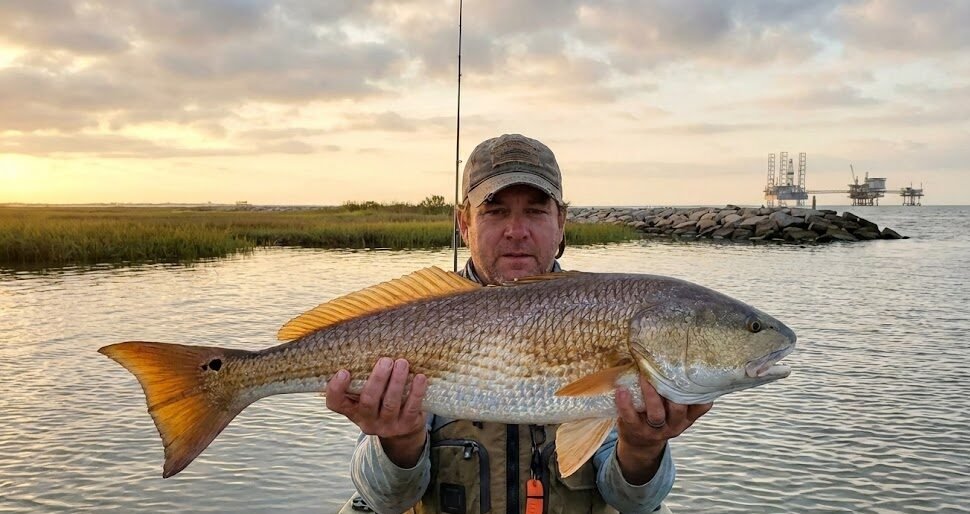
Red Fishing in Galveston: Top Spots and Tips
Galveston, Texas, has established itself as a premier destination for…

Dickens on The Strand Steampunk Festival Guide
Dickens on The Strand Steampunk Festival represents a unique convergence…
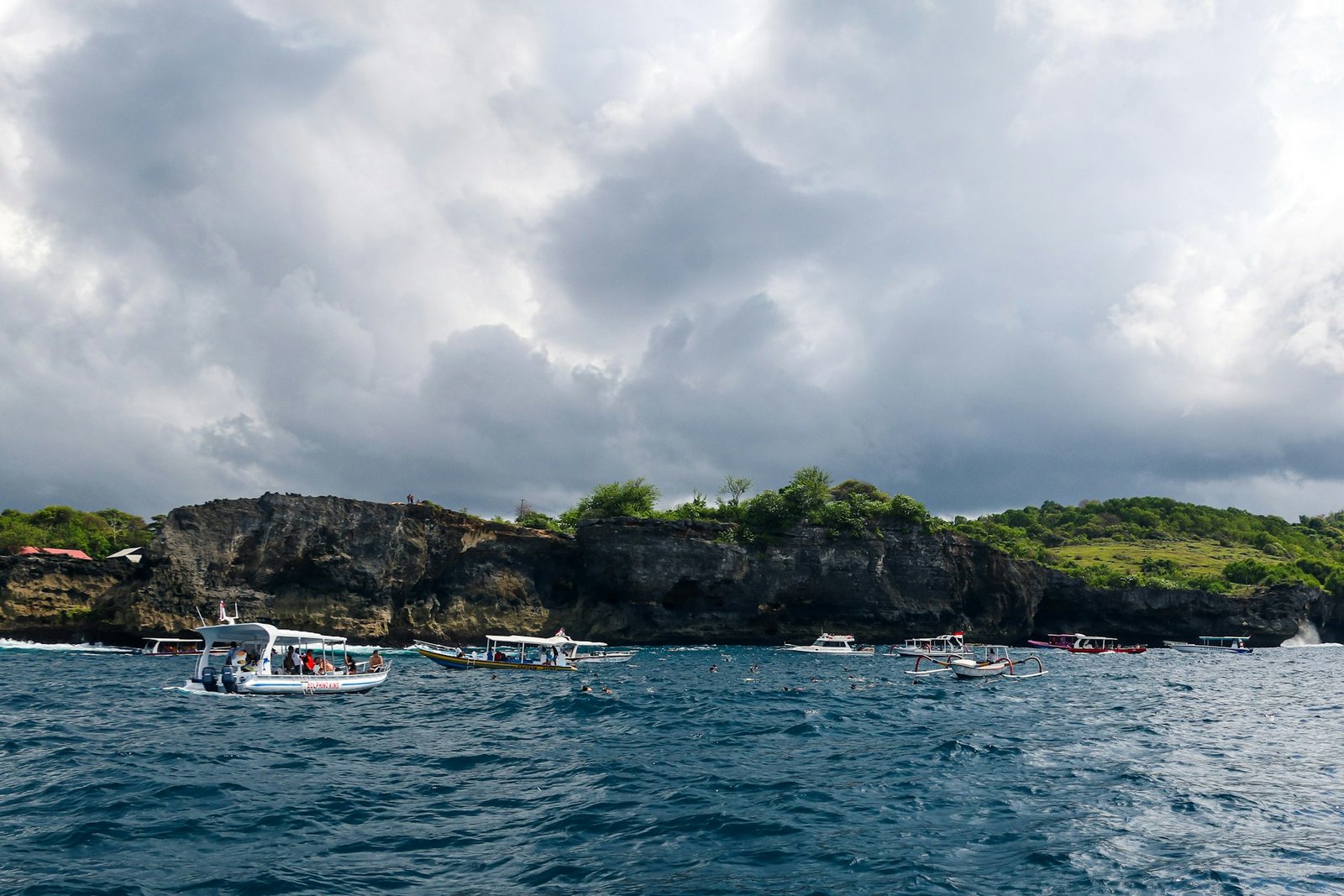
Galveston Sea Ventures: Premier Dolphin & Turtle Tours
When the morning mist lifts over Galveston Bay, revealing a…