
The moment your toes touch the surf, you feel that distinctive embrace of Gulf water that can range from bracing coolness to bath-warm tranquility depending on the season. This thermal variability defines the coastal experience more than any other factor, determining everything from the species swimming beneath the waves to the duration of tourist season. Understanding Galveston sea temperature patterns is essential for anglers tracking migratory fish, conservationists monitoring endangered species, and families planning beach vacations. As climate change accelerates thermal shifts in the northwestern Gulf of Mexico, these temperature fluctuations increasingly dictate both ecological health and recreational opportunities along the upper Texas coast.
Understanding Galveston Sea Temperature Seasonal Cycles
The Galveston sea temperature follows a predictable annual rhythm, yet one characterized by significant variance that distinguishes the northern Gulf from tropical Caribbean waters. Unlike destinations where temperatures remain stable year-round, Galveston experiences a 30-degree Fahrenheit swing between winter lows and summer peaks, creating distinct ecological seasons that marine life must navigate.
Winter Cooling and Marine Dormancy
From December through March, Galveston sea temperature typically ranges between 55°F and 65°F, occasionally dropping into the low 50s during prolonged cold fronts. These cooler temperatures trigger a biological slowdown throughout the ecosystem. Fish metabolism decreases, reducing feeding activity and making angling more challenging. Cold-blooded marine reptiles, including the endangered Kemp’s ridley sea turtles, become susceptible to cold-stunning, a hypothermic condition that causes lethargy and strandings when temperatures fall below 50°F.
During these months, the water feels distinctly chilly to swimmers, with most beachgoers limiting immersion to quick plunges or wetsuit-protected surfing. However, these cooler Galveston sea temperature readings provide crucial ecological benefits, controlling populations of warm-water invasive species and creating conditions that certain native fish species require for spawning triggers.
Summer Warming and Thermal Peaks
By August, Galveston sea temperature reaches its annual maximum, often hovering between 85°F and 88°F with shallow bay areas occasionally exceeding 90°F during calm, sunny periods. These tropical conditions transform the marine environment, accelerating metabolic rates and driving biological productivity to its zenith. The warm waters support abundant phytoplankton blooms that form the base of the food chain, attracting baitfish and predatory species close to shore.
For swimmers, these Galveston sea temperature readings represent ideal conditions warm enough to remain comfortable for hours without thermal stress, yet cool enough to provide relief from the 95°F+ air temperatures common during Texas summers. The swimming season effectively extends from May through October when water temperatures remain above 75°F, a threshold that feels comfortable for most visitors without requiring acclimatization.
Spring and Fall Transitions
The shoulder seasons bring the most rapid Galveston sea temperature changes, with spring warming occurring more gradually than autumn cooling. April typically sees temperatures climbing from 68°F to 75°F, triggering fish migrations and sea turtle nesting behaviors as marine life responds to thermal cues. October maintains swimmable conditions in the mid-70s, often providing the most pleasant swimming experiences as crowds diminish while the Gulf retains summer’s warmth.
Galveston Sea Temperature and Marine Ecosystem Dynamics
Temperature serves as the primary environmental driver for marine biological processes in the northwestern Gulf, and Galveston Sea temperature fluctuations determine species distribution, reproductive timing, and survival rates across the food web.
Sea Turtle Behavior and Nesting Success
The critically endangered Kemp’s ridley sea turtle maintains an intimate relationship with galveston sea temperature. Nesting activity peaks when sands and waters reach specific thermal thresholds, typically between 75°F and 85°F. Warmer waters accelerate embryo development within eggs, potentially reducing incubation periods by several days. However, excessive heat presents risks; temperatures above 88°F during critical developmental windows can produce female-biased sex ratios, threatening genetic diversity as climate change intensifies.
Juvenile green sea turtles frequenting the jetties and bay systems rely on Galveston sea temperature gradients to thermoregulate, moving between warmer shallows for metabolic efficiency and deeper channels when temperatures exceed optimal ranges. Cold-stunning events during winter temperature drops represent the leading cause of sea turtle mortality in the region, requiring massive rescue efforts by wildlife rehabilitators when temperatures plummet rapidly.
Fish Migration and Distribution
Galveston sea temperature serves as the primary signal for pelagic fish migrations that support the region’s recreational fishing economy. Spanish mackerel and kingfish arrive when surface temperatures breach 70°F, typically in April, following baitfish schools that proliferate in warming waters. Tarpon, the silver kings prized by sport anglers, require sustained temperatures above 75°F, limiting their presence to peak summer months.
Conversely, winter Galveston sea temperature drops drive tropical species southward, while attracting cold-water visitors like speckled trout and redfish into the bay systems where they remain active despite cooler conditions. This seasonal turnover maintains biodiversity but requires anglers to constantly adapt techniques and target species based on thermal conditions.
Invertebrate and Jellyfish Populations
Warmer Galveston sea temperature readings correlate with increased jellyfish blooms, particularly the Atlantic sea nettle and Portuguese man-of-war. These cnidarians thrive in nutrient-rich, warm waters, creating potential hazards for swimmers during July and August when temperatures peak. Cannonball jellyfish, while less dangerous, appear in massive aggregations during spring warming periods, sometimes making swimming unpleasant despite safe conditions.
Oyster populations, crucial for water filtration and coastal protection, face mortality when Galveston sea temperature exceeds 90°F combined with high salinity, as occurred during recent marine heat waves. These thermal stress events threaten the bay’s ecological foundation and the fishing industries dependent on healthy reef systems.
How Galveston Sea Temperature Defines Swimming Seasons
For the millions of tourists visiting annually, the Galveston sea temperature determines the viability of aquatic recreation more reliably than air temperature or calendar dates. The local tourism industry operates around predictable thermal patterns that define peak season economics.
Peak Season Thermal Windows
The official swimming season runs Memorial Day through Labor Day, coinciding with Galveston sea temperature ranges of 80°F to 88°F. During these months, water temperatures rarely drop below comfortable swimming thresholds, even during overcast conditions, allowing beachfront hotels to maintain full occupancy. Water parks and beach rental concessions depend on these sustained warm temperatures to justify operational costs.
Extended Swimming Opportunities
Climate change has gradually extended the viable swimming season, with Galveston sea temperature now regularly remaining above 70°F through late October and reaching swimmable levels by mid-April. This “shoulder season” expansion benefits local businesses by lengthening the revenue window, though it introduces unpredictability. Unseasonable cold snaps in May or September can suddenly render swimming unpleasant, disappointing visitors expecting summer conditions.
Thermal Comfort and Safety Zones
Understanding Galveston sea temperature safety zones protects visitors from hypothermia risks during winter and heat exhaustion during summer. Water below 70°F can induce cold water shock in unprepared swimmers, causing gasp reflexes and cardiac stress. Conversely, swimming in temperatures exceeding 85°F during extreme heat warnings prevents effective body cooling, increasing risks of hyperthermia despite being immersed.
Climate Change and Rising Galveston Sea Temperature Trends
Long-term data reveal concerning trends in Galveston sea temperature, with average annual temperatures increasing approximately 0.3°F per decade since 1980. While this seems incremental, the ecological impacts compound rapidly. Marine heat wave periods, when temperatures exceed the 90th percentile for five consecutive days, have increased in frequency, triggering mass fish kills and coral bleaching in nearby Flower Garden Banks.
Rising baseline Galveston sea temperature expands the range of tropical invasive species, including lionfish and various reef fish, potentially disrupting native ecosystems. Warmer waters also hold less dissolved oxygen, creating hypoxic “dead zones” during summer stratification that force mobile species to relocate and suffocate sessile organisms.
Safety Considerations in Variable Galveston Sea Temperatures
Swimmers must respect Galveston sea temperature variability to avoid health hazards. Summer warmth promotes Vibrio bacteria growth, particularly in brackish bay waters between 75°F and 85°F, requiring swimmers with open wounds to exercise caution. Temperature differentials between shallow beach areas and deeper channels can create dangerous rip currents during seasonal transition periods.
Conclusion
The rhythmic pulse of Galveston sea temperature patterns orchestrates life along the upper Texas coast, from the microscopic plankton to the tourists building sandcastles on the shore. As warming trends accelerate, understanding these thermal dynamics becomes crucial for conservation efforts, economic planning, and personal safety. Whether you’re tracking trophy fish migrations, swimming with the kids, or simply wading in the surf, the temperature of these waters tells a story of ecological complexity and changing climate, a story that every visitor to Galveston now shares.
Photo by Angelina Kusznirewicz on Unsplash
Related Posts
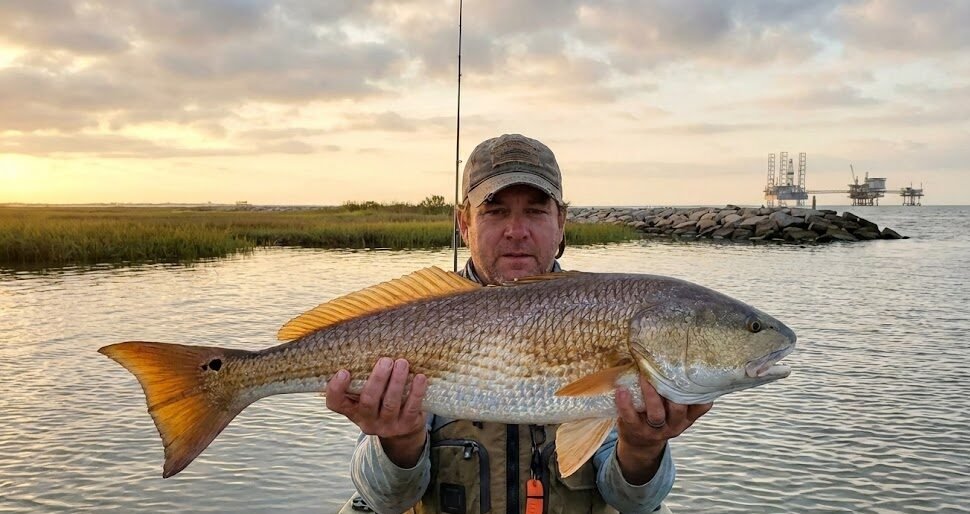
Red Fishing in Galveston: Top Spots and Tips
Galveston, Texas, has established itself as a premier destination for…
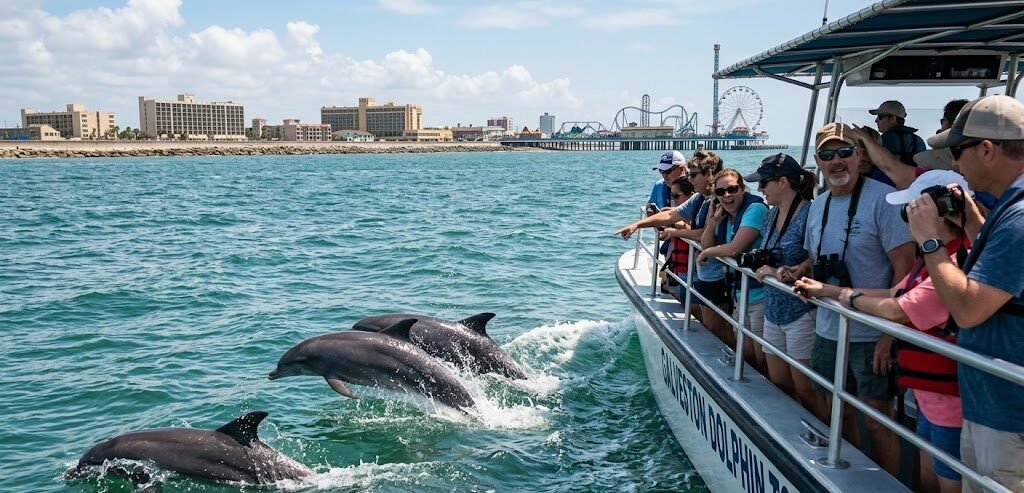
Galveston Dolphin Watching Guide: Best Tours & Seasons
Introduction to Galveston Dolphin Watching Galveston, Texas, stands as one…

Dickens on The Strand Steampunk Festival Guide
Dickens on The Strand Steampunk Festival represents a unique convergence…